You notice it every time you walk down the hallway in your Naperville home, that gray path in the carpet that never seems to go away no matter how often you vacuum. The stairs feel a little rough under your feet, the family room looks clean around the edges, but the main walkway always looks tired. Those high-traffic areas are the first thing you see, and they can make an otherwise clean home feel worn out.
Like many people across Naperville and the surrounding suburbs, you may wonder whether this is just what happens as carpet gets older or if there is something that can actually be done. You might have tried a rental machine or a couple of store-bought spot cleaners, only to see the same dull lanes return a few weeks later. That cycle is frustrating, especially when you have invested in your flooring and want your home to feel welcoming for family and guests.
At Executive Green Carpet Cleaning, we clean high-traffic carpet areas in homes and businesses across Chicagoland every day. As Master Textile Cleaners, we see the same patterns on Naperville hallways, stairs, and office corridors, and we know which problems are deep-down soil and which are permanent wear. Because we use environmentally safe products that are family and pet friendly, we can focus on getting those busy zones as clean as possible without risking the health of the people who use them most. In this guide, we will share what we have learned so you can protect your carpet and know when it is time to call in professional high-traffic carpet cleaning in Naperville.
Why High-Traffic Areas Look Worn So Fast In Naperville Homes
High-traffic areas are the parts of your carpet that see the most footsteps every day. In a typical Naperville home, that might be the hallway from the garage to the kitchen, the stairs to the second floor, the path from the sofa to the TV in the family room, and the first few feet inside each entrance. In small offices and storefronts, it is usually the corridors and the route from the front door to the reception desk or main work areas. These zones take the same pounding day after day, and the carpet shows it much sooner than the rest of the room.
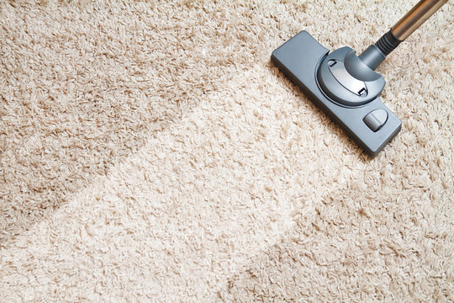
Every time someone walks across carpet, they press grit and soil deeper into the fibers. Tiny particles of sand, dust, and salt act like fine sandpaper. As shoes grind them into the pile, those particles scratch and cut the tips of the fibers. At first the change is subtle, but over thousands of footsteps the fibers lose their original shape and sheen. The result is dullness, a flattened look, and the familiar gray track that runs right where people walk.
Naperville and the surrounding Chicagoland suburbs add a few challenges of their own. In winter, de-icing salt and slush get tracked in from driveways, sidewalks, and parking lots. That salty moisture does not just sit on top of the carpet. It works its way down into the backing and binds to the fibers. In spring and summer, rain and backyard use bring in soil from gardens, mulch beds, and playgrounds, especially through back doors and garage entries. All of that ends up concentrated in the main walking paths, not in the corners where nobody steps.
It helps to understand the difference between a dirty traffic lane and a worn one. Soil-related discoloration is often removable when the right methods are used, especially if it has not been building up for years. Permanent wear happens when the fiber tips are physically damaged or when color has been lost through abrasion. Cleaning can still make those areas much cleaner and fresher, but it cannot rebuild missing fiber or restore dye that has been worn away. As Master Textile Cleaners, we spend a lot of time in Naperville homes explaining that distinction so you know what kind of improvement to expect before we start.
How To Spot Early Traffic Lane Damage Before It Becomes Permanent
Protect your carpet investment by catching traffic lane issues early—before they become deep ruts that cleaning can’t fix. Here’s how to identify the first signs:
- Look for color changes:
- Stand in the doorway and look down the main path of travel.
- Early traffic lane gray appears as a darker or grayer shade compared to the edges, even after vacuuming.
- Check fiber alignment:
- Healthy carpet fibers stand upright and feel soft.
- Developing traffic lanes may have fibers leaning in the direction of foot traffic or crushed in one direction.
- Inspect stairs and hallways:
- On stairs, the front edge of each step may look more worn or rounded.
- In hallways, the center strip can appear flatter than the sides near the baseboards.
- Feel underfoot:
- Walk from the edge of the room into the main path.
- Rougher, stiffer, or slightly crunchy textures indicate soil buildup and loss of fiber resilience.
- Compare protected areas:
- Look under furniture that hasn’t been exposed to heavy traffic.
- The contrast with high-traffic areas clearly shows where attention is needed.
- Understand cleaning results:
- Dirt and light matting respond well to proper cleaning.
- Permanently worn fibers may still show shading even after professional cleaning.
Early detection allows for intervention while dealing mainly with soil and light matting—preventing permanent damage and extending your carpet’s life.
Daily & Weekly Habits That Protect Busy Carpeted Areas
High-traffic carpet areas take the most wear, but a few simple habits can slow down damage and keep your carpet looking fresh.
1. Vacuum Strategically
- Focus on traffic lanes and stairs several times a week, even if the rest of the room gets vacuumed less often.
- Use slow, overlapping passes with a well-maintained vacuum.
- Goal: remove grit before it grinds into the fibers.
2. Use Entry Mats
- Place sturdy mats outside and inside every main door—front entries, garage doors, back patios.
- Mats capture soil, salt, and moisture before it reaches your carpet.
- Clean mats regularly; dirty mats just transfer more dirt.
3. Mind Shoe Habits
- Even without a full no-shoes rule, simple steps help:
- Remove outdoor shoes at the foyer or garage entry.
- Use a short hard-floor walk-off area plus a mat for visitors in offices.
- Helps reduce stress on busy carpet paths.
4. Address Spills and Spots Quickly
- Blot, don’t scrub—avoid spreading or grinding in dirt.
- Use a small amount of mild, carpet-safe solution, not excessive cleaning products.
- Many store cleaners leave sticky residue that attracts more dirt.
- Keep white towels and neutral cleaners on hand; call a professional if a spot persists.
These habits are the same ones we recommend to homeowners and businesses across Chicagoland—they truly help extend the life of high-traffic carpet areas.
What DIY Carpet Cleaning Can (And Cannot) Fix In High-Traffic Zones
When traffic lanes start to look bad, many people head straight to the rental aisle or grab a compact home machine. These tools can be useful in certain situations, especially for light overall refreshes or small spills in lower-use areas. In high-traffic zones, however, there are some important limits that are rarely explained on the box. Understanding what DIY methods can and cannot do in these areas helps you avoid wasted effort and disappointment.
Most consumer and rental machines do not have the vacuum power or water temperature that professional equipment provides. They tend to lay down a fair amount of water and detergent, then struggle to remove it all. In a traffic lane, where soil is packed deeper into the pile and often into the backing, this means a lot of the moisture and loosened soil remains behind. As the carpet dries, that moisture moves upward, carrying soil with it. This is one of the reasons you might see dark areas or spots reappear a day or two after you thought you had cleaned them.
This reappearance is often called wicking. The same thing can happen with spills that soaked deeper than the carpet face yarns. A rental machine may lighten the surface, but if there is still contamination in the backing or pad, it can work its way back up. At the same time, leftover detergent in the fibers can leave a slightly sticky residue. In a low-traffic corner, that might not be very noticeable. In a busy hallway or on stairs, that residue grabs fresh soil with every step and quickly turns the area dingy again.
We are often called into Naperville homes after a DIY attempt on traffic lanes did not hold up. The common pattern is a bright improvement right after cleaning, followed by a rapid slide back to gray or even darker lanes within a few weeks. The issue is usually not that the homeowner did anything wrong. It is that high-traffic areas need more heat, more controlled water use, more agitation, and more powerful extraction than typical consumer equipment can provide. DIY can certainly help you stay ahead of light soil and fresh spills, but it is not a complete solution for deeply worn lanes.
How Professional High-Traffic Carpet Cleaning Restores Busy Areas
Professional high-traffic carpet cleaning in Naperville focuses on what those areas need that the rest of the carpet may not. When we arrive at a home or business, we start with a detailed inspection of the busiest paths, stairs, and entries. We are looking for where soil is concentrated, where fibers are matted, and where we see signs of permanent wear. That inspection guides every step that follows and helps us explain what kind of improvement is realistic.
In high-traffic lanes, we typically apply a targeted pre-treatment formulated to break down the kind of oily and gritty soil that builds up in those zones. We allow that solution time to work, then use mechanical agitation to work it deep into the pile. This agitation is key, because it helps dislodge stubborn soil that has been walked in over months or years. Once we have broken that bond, we follow with hot water extraction that rinses soil and cleaning solution out of the carpet and carries it away.
Hot water extraction uses controlled water temperature and pressure along with strong vacuum. The combination allows us to reach deeper into the pile than many consumer machines and then recover that moisture quickly. In traffic lanes, we often make extra passes to help remove as much soil and residue as possible. The result is usually a noticeable improvement in color, brightness, and softness, even in areas that have looked dull for a long time.
There are limits, and being honest about them is part of our job. If the fibers in a traffic lane have been crushed for years or if the dye has been worn away, cleaning cannot restore them to brand-new appearance. What we can typically do is remove the built-up soil and residue that exaggerate the wear, soften the feel underfoot, and greatly improve overall appearance. Many Naperville clients are surprised by how much better their halls and stairs look once the real soil load is gone.
As Master Textile Cleaners who work across the Chicagoland suburbs, we tailor the strength of our pre-treatments, the level of agitation, and the number of extraction passes to the condition of each traffic lane. We also use environmentally safe products, so you do not have to worry about kids playing on the floor or pets lying right on the areas we just cleaned. In busy households and offices, high-traffic areas often benefit from professional cleaning every 6 to 12 months, even if the rest of the carpet does not need attention quite that often.
Naperville Conditions That Are Tough On Carpeted Traffic Lanes
Living and working in Naperville brings specific challenges for carpet, especially in high-traffic areas near entrances. In the winter months, sidewalks, driveways, and parking lots are treated with salt and de-icing products. Those materials cling to shoes and boots, then get ground into entry mats and carpet. Over time, salt can leave light-colored lines or a powdery look in the fibers, and it can hold moisture in the carpet longer than you might expect.
When that salty moisture sits in high-traffic lanes, it speeds up the abrasion process. Each time someone walks across, they push that mixture deeper into the pile. The result is more scratching and cutting of fiber tips and more rapid dulling of the lane. We see this most often in hallways just inside front doors, on stairs leading up from garage entries, and in office corridors that connect entry lobbies to work areas.
Spring and summer bring their own set of conditions. Rain, yard work, sports, and backyard gatherings mean more soil and organic material are tracked in from outside. This tends to affect back doors leading to patios and decks, as well as basement stairs that connect to garages or lower-level entrances. When these spaces are carpeted, the first several steps or the central run of a hallway can start to show spots, muddy patches, or general dinginess much sooner than the rest of the floor.
Because we serve clients across Naperville and the broader Chicagoland suburbs, we plan cleaning and maintenance around these seasonal realities. That might mean suggesting slightly more frequent cleaning of entry halls and stairs after a tough winter, or focusing on certain traffic lanes after a wet spring and busy summer. Understanding how local conditions affect your floors helps us, and you, protect those high-use areas more effectively.
When It Is Time To Call A Professional For Your High-Traffic Areas
Sometimes, even extra vacuuming and home machines aren’t enough to protect busy carpet zones. Watch for these signs:
Key Indicators You Need Professional Help
- Persistent gray lanes: Hallways or stairs that quickly look dirty again or never appear fully clean.
- Rough or stiff fibers: Traffic paths feel crunchy or rough even after vacuuming.
- Recurring dark spots: Especially near entrances, indicating soil and residue embedded deep in the pile.
Why Professional Cleaning Matters
- Extends the life of your carpet and helps avoid premature replacement.
- High-traffic areas—like stairs, long hallways, and family rooms—can be expensive to replace.
- Professionals can:
- Remove embedded soil
- Rinse away old residues
- Lift matted fibers
- The result: improved appearance and comfort, giving you control over replacement timing.
Personalized Approach
- Independently owned and operated, Executive Green Carpet Cleaning tailors cleaning to your space.
- In homes: Focus on busy paths like garage-to-kitchen hallways, kids’ and pets’ areas.
- In offices or clinics: Prioritize main corridors and waiting areas over less-used rooms.
- Walk-throughs with clients ensure the plan matches actual traffic patterns.
Take Action Before It’s Too Late
- Recognize the signs early—don’t wait for permanent damage.
- A professional cleaning visit can:
- Restore appearance and comfort
- Extend the life of your carpet
- Give you more time before replacement becomes necessary
Keep Your Naperville High-Traffic Areas Looking Their Best
High-traffic carpet does not wear out overnight. The gray paths, flattened fibers, and stubborn spots you see are the result of thousands of footsteps, local weather, and everyday life in a busy Naperville home or business. The good news is that once you understand what is happening in those lanes, you can take practical steps to protect them. Smarter vacuuming, better entry matting, careful spot treatment, and timely professional cleaning all work together to slow wear and keep your busiest areas looking cleaner and feeling better underfoot.
If your hallways, stairs, or family room paths are starting to bother you, you do not have to guess about what is possible. We can walk those areas with you, explain what is soil and what is wear, and design a high-traffic cleaning plan that fits your space. Our team at Executive Green Carpet Cleaning uses eco-friendly, family-safe products and proven methods to tackle the toughest lanes we see across the Chicagoland suburbs, including right here in Naperville. When you are ready to give your high-traffic areas the focused care they need, reach out and schedule a visit.